Read about PFC Faculty Exchange
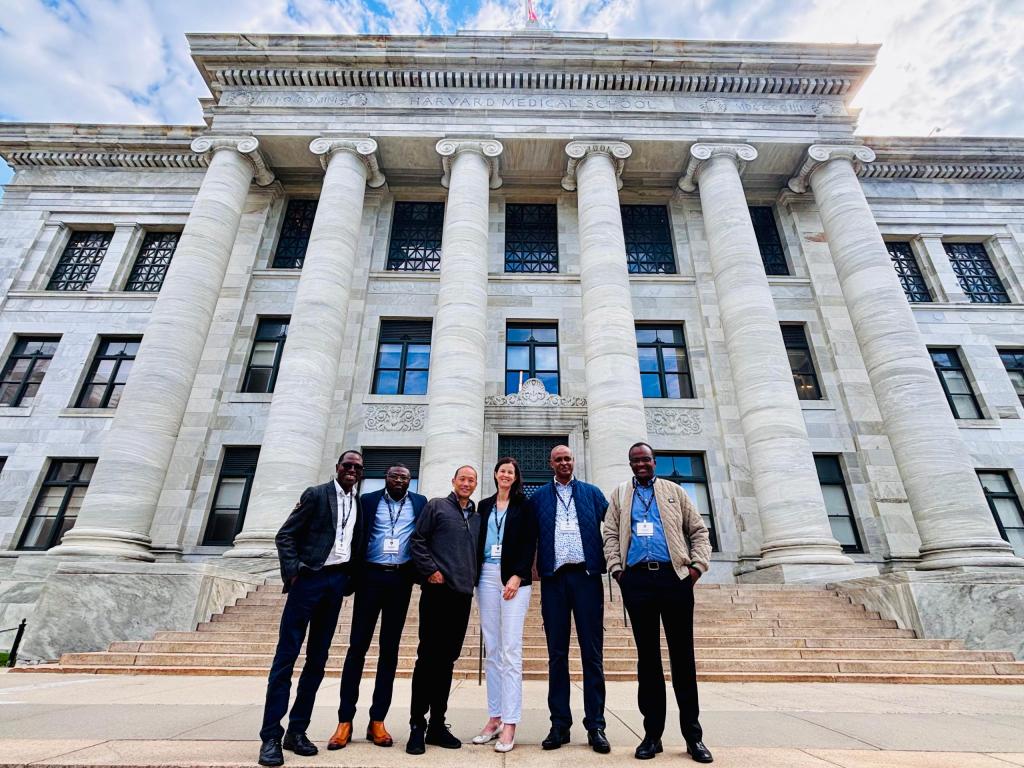
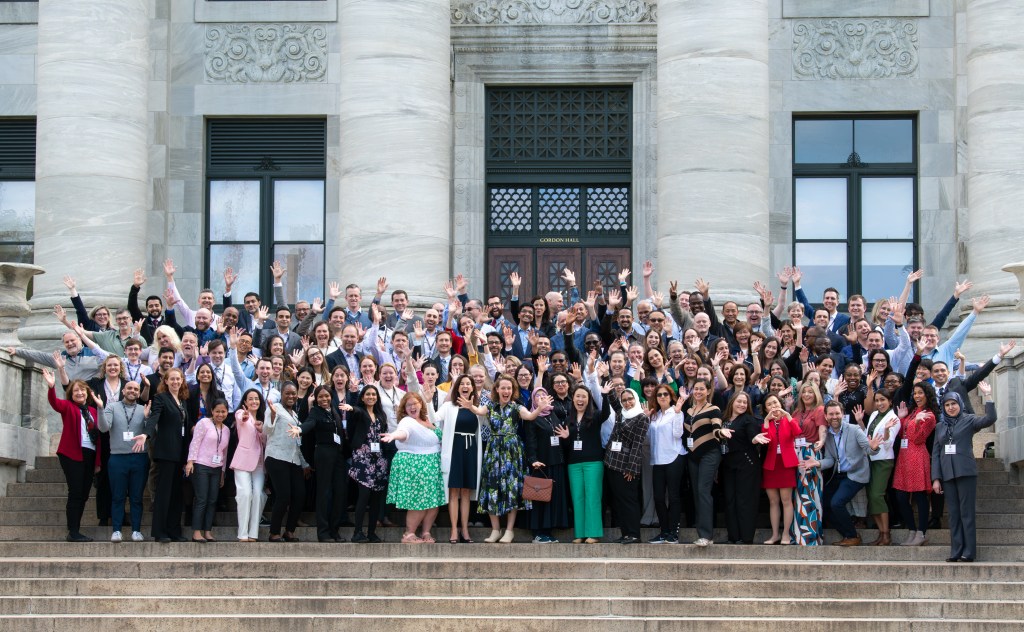
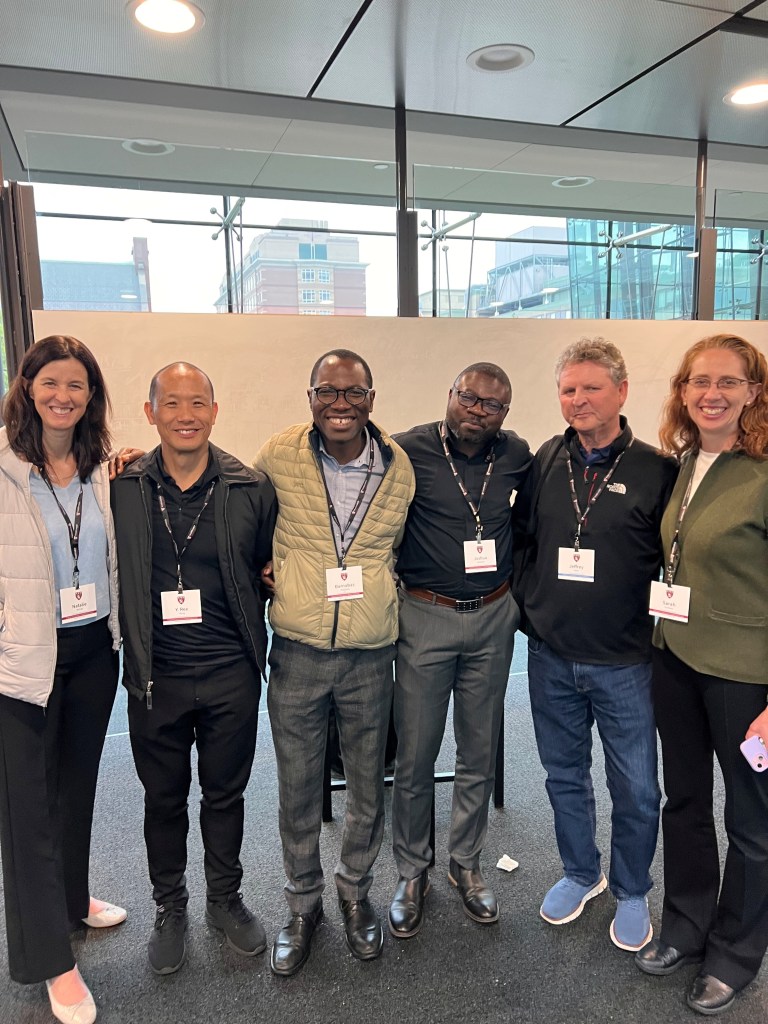
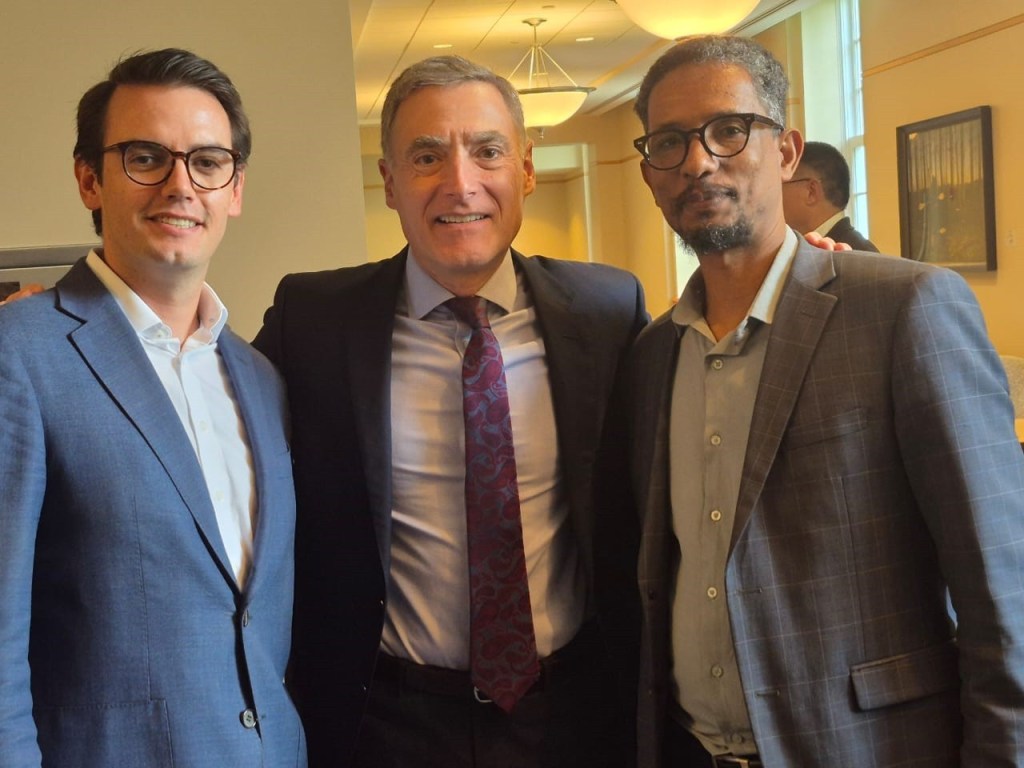
The Faculty Exchange Program is a vital pillar of the Paul Farmer Collaborative, designed to deepen academic partnerships, strengthen health systems, and advance global health education through equitable, bidirectional faculty engagement.
Modeled on Dr. Paul Farmer’s commitment to partnership and capacity building, the program enables faculty from partner institutions across the globe to teach, mentor, conduct research, and collaborate in diverse cultural and clinical settings.
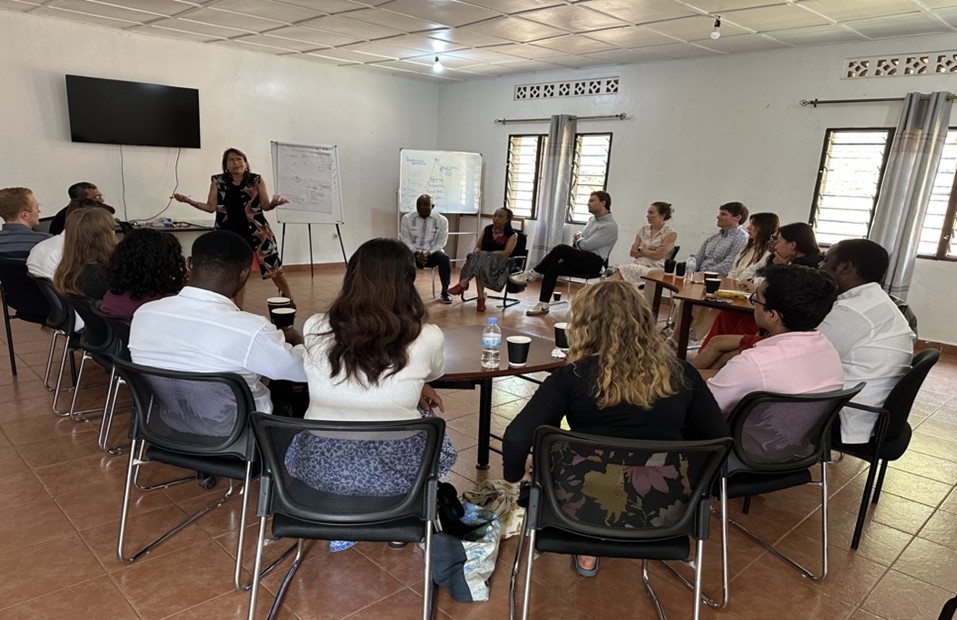
The program creates sustained, cross-institutional relationships that elevate teaching, research, and service. Faculty members participate in short- and long-term exchanges to:
- Teach and co-develop curriculum in social medicine, global health, and related disciplines
- Mentor students and junior faculty across partner institutions
- Collaborate on global health research, implementation science, and community-based initiatives
- Engage in clinical practice, training, or health system strengthening in underserved communities
We believe faculty exchange should be a two-way street. The program is designed with equity and reciprocity at its core, ensuring that institutions in low- and middle-income countries (LMICs) are not just sites of training but also sources of knowledge, innovation, and leadership.
Key program principles include:
- Bidirectional exchange, with equal opportunities for LMIC and high-income country faculty
- Sustainable collaboration
- Local capacity building
- Co-creation of knowledge and curricula

